
Simmons University Online Nurse Practitioner Programs
- BSN to DNP – Family Nurse Practitioner
- BSN to DNP – Psychiatric Mental Health Nurse Practitioner
- MSN – Family Nurse Practitioner
- MSN – Psychiatric Mental Health Nurse Practitioner
- MSN to DNP – Family Nurse Practitioner
- MSN to DNP – Psychiatric Mental Health Nurse Practitioner
- Post-Graduate Certificate – Family Nurse Practitioner
- Post-Graduate Certificate – Psychiatric Mental Health Nurse Practitioner
For the latest academic year, we have over 180 NP schools in our database and those that advertise with us are labeled “sponsor”. When you click on a sponsoring school or program, or fill out a form to request information from a sponsoring school, we may earn a commission. View our advertising disclosure for more details.
Simmons University’s School of Nursing offers online graduate nursing programs that prepare registered nurses (RNs) for advanced practice as family nurse practitioners (FNPs) and psychiatric mental health nurse practitioners (PMHNPs).
The university offers multiple pathways, including MSN-FNP, MSN-PMHNP, post-graduate FNP certificate, post-graduate PMHNP certificate, BSN-to-DNP-FNP, BSN-to-DNP-PMHNP, MSN-to-DNP-FNP, and MSN-to-DNP-PMHNP.
All programs feature 100 percent online coursework, weekly live classes, and one required on-campus immersion weekend in Boston, with clinical practicums completed at approved sites local to the student.
The MSN-FNP and post-graduate certificate-FNP programs prepare nurses to provide comprehensive primary care across the lifespan. FNPs diagnose and treat chronic and acute illnesses, conduct routine check-ups and health assessments, address disease prevention, and direct patient education. Graduates may work in hospitals, primary care and urgent care clinics, long-term care facilities, home health, government facilities, and schools.
The MSN-PMHNP and post-graduate certificate-PMHNP programs prepare nurses to provide mental health care across the lifespan. PMHNPs assess, diagnose, and treat mental health disorders; conduct individual, family, and group therapy; prescribe psychotropic medications; and collaborate on care plans to improve patients’ quality of life. Graduates may work in schools, government facilities, hospitals, correctional facilities, rehabilitation programs, and counseling centers.
The BSN-to-DNP and MSN-to-DNP pathways build on the MSN curricula and add doctoral-level leadership, research, and systems-improvement training. DNP students complete a scholarly project and present it at a two- to four-day on-campus DNP symposium. Depending on the pathway and track, the DNP can be completed in as few as 28 months full-time or up to 48 months part-time.
All programs are designed for working nurses and offer full-time and part-time, cohort-based schedules with predictable weekly class times. Simmons partners with students through a dedicated clinical placement team to help secure clinical sites and preceptors near their communities.
Simmons University is accredited by the New England Commission of Higher Education (NECHE). Nursing@Simmons is accredited by the Commission on Collegiate Nursing Education (CCNE). The Simmons University nursing program is fully approved by the Massachusetts Board of Registration in Nursing. Graduates are eligible to sit for national FNP or PMHNP certification exams (ANCC/AANP) and pursue state licensure.
| Simmons University Online NP Programs | |
|---|---|
| MSN - Family Nurse Practitioner | Visit Site |
| MSN - Psychiatric Mental Health Nurse Practitioner | Visit Site |
For the latest academic year, we have over 180 NP schools in our database and those that advertise with us are labeled “sponsor”. When you click on a sponsoring school or program, or fill out a form to request information from a sponsoring school, we may earn a commission. View our advertising disclosure for more details.
What to Expect from the Simmons University Online Nurse Practitioner Programs
Admission Requirements: Simmons University uses a holistic review process and considers applicants’ professional, academic, and personal experiences. All applicants must be U.S. citizens or permanent residents and must hold a current, unencumbered, and unrestricted U.S. registered nurse (RN) license.
Application requirements for all programs include an online application form, application fee, current resume, personal statement, official transcripts from all institutions attended, and letters of recommendation. If the applicant’s primary language is not English, an English language proficiency exam result is required. The GRE is not required, but applicants who feel GRE scores will strengthen their application may contact an admissions counselor. All programs offer three start dates per year, and admission decisions are made on a rolling basis.
MSN–FNP and MSN–PMHNP: Applicants to the MSN programs must have a bachelor of science in nursing (BSN) or a bachelor’s degree with a major in nursing from a regionally accredited U.S. college or university, with a preferred GPA of at least 3.0 on a 4.0 scale. Applicants must have successfully completed a three-credit course in statistics within the last seven years with a grade of C+ or better.
Applicants to the post-graduate certificates must have a master of science in nursing (MSN) or doctor of nursing practice (DNP) degree from an accredited U.S. college or university, with a preferred GPA of at least 3.0 on a 4.0 scale. Applicants must have successfully completed advanced pathophysiology, advanced pharmacology, and advanced health assessment with a grade of B or better. For courses not completed at Simmons, a syllabus for each course must be uploaded.
Applicants to the BSN-to-DNP programs must have a BSN or a bachelor’s degree with a major in nursing from a regionally accredited U.S. institution, with a preferred GPA of at least 3.0 on a 4.0 scale. Applicants must have successfully completed a three-credit course in statistics within the last seven years with a grade of C+ or better. There is no professional work experience requirement for the BSN-to-DNP pathway.
Applicants to the MSN-to-DNP programs must have an MSN degree from a regionally accredited U.S. institution, with a preferred GPA of at least 3.0 on a 4.0 scale. Applicants must have successfully completed a three-credit course in statistics with a grade of C+ or better. Applicants must have completed at least 500 clinical hours in their master’s program. A minimum of two years of professional RN experience is also required.
State Restrictions: While Simmons University accepts students from most states into its nursing programs, students from certain states are not accepted at this time (see the relevant table below for the full list). In addition, applicants outside of Massachusetts should check with their state’s Board of Nursing to understand the practicum requirements for their state.
Study Plan: Simmons University offers flexible full-time and part-time tracks for its online NP programs, with three start dates per year: January, May, and September. All programs are cohort-based and use 14-week terms. Clinical placements are completed in or near the student’s community with support from a dedicated clinical placement team.
The MSN-FNP requires 47 credits and a minimum of 756 clinical hours. Full-time students complete the program in 24 months, while part-time students complete the program in 32 months. The program includes one two- to four-day on-campus immersion.
The MSN-PMHNP requires 49 credits and a minimum of 756 clinical hours. Full-time students complete the program in 24 months while part-time students complete the program in as few as 32 months. The program includes one on-campus immersion.
The FNP post-graduate certificate requires 23 credits and 756 clinical hours. It is offered on a full-time track only and can be completed in as few as 16 months. The program includes a two- to four-day on-campus immersion.
The PMHNP post-graduate certificate requires 27 credits and 756 clinical hours. It is offered on full-time and part-time tracks and can be completed in as few as 16 months (full-time) or 24 months (part-time). The program includes a two- to four-day on-campus immersion.
The BSN-to-DNP-FNP requires 83 total credits and includes multiple clinical courses. It can be completed in as few as 32 months full-time or 48 months part-time. The program includes one to two on-campus experiences.
The BSN-to-DNP-PMHNP requires 85 total credits and includes multiple clinical courses. It can be completed in as few as 32 months full-time or 48 months part-time. The program includes one to two on-campus experiences.
The MSN-to-DNP-FNP requires 65 total credits and includes two to three clinical courses. It can be completed in as few as 28 months full-time or 36 months part-time. The program includes one to two on-campus immersions.
The MSN-to-DNP-PMHNP requires 67 total credits and includes two to three clinical courses. It can be completed in as few as 28 months full-time or 36 months part-time. The program includes one to two on-campus immersions.
Curriculum: Simmons University’s NP programs share a common graduate nursing core, then add specialty-specific courses and clinical components. The DNP pathways build on the MSN curricula with additional leadership, research, and systems-improvement coursework. Post-graduate certificates focus on the specialty courses and clinicals required for certification.
MSN Curriculum: Common MSN core courses in all MSN concentrations include advanced pathophysiology; evidence-based practice: informatics; health promotion: a global perspective; role of the advanced practice nurse; advanced pharmacology across the life span; advanced health assessment across the life span; and health care systems and health policy.
MSN-FNP Specialty Curriculum: FNP specialty courses include FNP I: adult gerontology in primary care I; FNP II: women’s health in primary care; FNP III: pediatrics in primary care; family theory: health and illness; FNP IV: adult gerontology in primary care II; FNP V: behavioral health in primary care; research methods; FNP clinical decision making I-III; scholarly inquiry; and clinical placement. The program also includes an immersion and clinical qualification course.
MSN-PMHNP Specialty Curriculum: PMHNP specialty courses include clinical psychopharmacology across the lifespan; neurobiology and differential diagnosis of mental disorders; PMHNP I: psychotherapy across the lifespan; PMHNP II: diagnosis and management; PMHNP III: diagnosis and management; PMHNP IV: SMI and addictions medicine; PMHNP clinical decision making I-III (including psychotherapy); research methods; scholarly inquiry; and clinical placement. The program also includes a PMHNP immersion and clinical qualification course.
DNP Curriculum: Common DNP core courses in all DNP pathways include advanced pathophysiology; epidemiology; health care systems and health policy; health care finance and economics (or health care economics and finance); quality improvement in health care; biostatistics; role of the advanced practice nurse; introduction to nursing leadership; nursing leadership and management (or leadership and change); advanced research methods; advanced nursing leadership concepts; scholarly writing; DNP project seminar I-III; and DNP symposium (FNP or PMHNP). Leadership clinical course I-III (or advanced leadership clinical course III) are included in the BSN-to-DNP pathway.
DNP-FNP Specialty Curriculum: DNP-FNP specialty courses include advanced health assessment across the lifespan; evidence-based practice: informatics; family theory: health and illness; FNP I: adult gerontology in primary care I; FNP II: women’s health in primary care; FNP III: pediatrics in primary care; FNP IV: adult gerontology in primary care II; FNP V: behavioral health in primary care; advanced pharmacology; FNP clinical decision-making I-III; immersion and clinical qualification course; and DNP symposium-FNP.
DNP-PMHNP Specialty Curriculum: DNP-PMHNP specialty courses include advanced health assessment across the life span; evidence-based practice: informatics; clinical psychopharmacology across the lifespan; neurobiology and differential diagnosis of mental disorders; PMHNP I: psychotherapy across the lifespan; PMHNP II: diagnosis and management; PMHNP III: diagnosis and management; PMHNP IV: SMI and addictions medicine; PMHNP clinical decision-making I-III; immersion and clinical qualification course; and DNP symposium-PMHNP.
Post-Graduate Certificate-FNP: The FNP certificate includes FNP I: adult gerontology in primary care I; FNP II: women’s health in primary care; FNP III: pediatrics in primary care; FNP IV: adult gerontology in primary care II; FNP V: behavioral health in primary care; clinical decision-making I-III; clinical placement; and immersion.
Post-Graduate Certificate-PMHNP: The PMHNP certificate includes clinical psychopharmacology across the lifespan; neurobiology and differential diagnosis of mental disorders; PMHNP I: psychotherapy across the lifespan; PMHNP II: diagnosis and management; PMHNP III: diagnosis and management; PMHNP IV: SMI and addictions medicine; PMHNP clinical decision making: psychotherapy; PMHNP clinical decision making II-III; clinical Placement; and immersion.
Online Experience: Nursing@Simmons courses are delivered in a live, face-to-face format on a weekly basis. Multimedia assignments and assessments reinforce learning from the weekly synchronous sessions and prepare students for the next live class. All classes are recorded for 24/7 viewing, so students can review lessons or catch up if they miss a session. Class sizes are kept small at approximately 20 or fewer students per class to encourage participation and relationship-building. Students have access to faculty outside of live sessions through office hours, email, chat, and phone. Online students also have access to 24/7 technical support, academic advising, the online bookstore, online library, and career services, and can access coursework 24/7 at home or on the go through an integrated mobile app.
On-Site Requirements: All Simmons NP students are required to attend at least one two- to four-day on-campus immersion weekend in Boston, Massachusetts. During immersion, students meet their cohort and faculty, deepening relationships and a sense of community. Students participate in workshops and seminars covering topics such as clinical experience requirements and expectations. DNP students also complete a two- to four-day on-campus DNP symposium as part of the curriculum, where they present their scholarly project to faculty, peers, and stakeholders.
Paying for the Simmons University Online Nurse Practitioner Programs
Simmons University online NP program tuition is listed below. Prospective students should contact Simmons University School of Nursing for cost clarifications and updates.
Simmons University offers federal Stafford loans and Graduate PLUS Loans, according to the FAFSA. Students also have the option of an interest-free payment plan. Nursing students are encouraged to inquire with their employers to see if they qualify for a tuition reimbursement program or tuition discounts.
Nursing@Simmons students may also seek outside opportunities to fund their degrees. Some organizations to consider are the American Academy of Nurse Practitioners Foundation, the State Department of Health and Human Services, Nurses’ Educational Funds, Daughters of the American Revolution, the National Health Service Corps Scholarship Program, Indian Health Service, the American Association of Colleges of Nursing (AACN), and the American Association of University Women. Other outside scholarships and grants may be available through community and religious organizations.
The Simmons University online NP programs offer multiple start dates and have no GRE requirement.
BSN to DNP – Family Nurse Practitioner
BSN to DNP – Psychiatric Mental Health Nurse Practitioner
MSN – Family Nurse Practitioner
MSN – Psychiatric Mental Health Nurse Practitioner
MSN to DNP – Family Nurse Practitioner
MSN to DNP – Psychiatric Mental Health Nurse Practitioner
Post-Graduate Certificate – Family Nurse Practitioner
Post-Graduate Certificate – Psychiatric Mental Health Nurse Practitioner
300 Fenway Road
Boston, Massachusetts 02115
Program Essentials
DNP – Doctor of Nursing Practice
FNP – Family Nurse Practitioner
January, May, and September
No
1
83
1323
CCNE – Commission on Collegiate Nursing Education
Program Admissions
BSN – Bachelor of Science in Nursing
No GRE Required
3.0 or higher
AL, AZ, MA, NY, TN, WA
Program Tuition
83
$1,288.00
$106,904.00
$1,288.00
$106,904.00
Program Essentials
DNP – Doctor of Nursing Practice
PMHNP – Psychiatric-Mental Health Nurse Practitioner
January, May, and September
No
1
85
1323
CCNE – Commission on Collegiate Nursing Education
Program Admissions
BSN – Bachelor of Science in Nursing
No GRE Required
3.0 or higher
AL, AZ, MA, NV, NY, TN, WA
Program Tuition
85
$1,288.00
$109,480.00
$1,288.00
$109,480.00
Program Essentials
MSN – Master of Science in Nursing
FNP – Family Nurse Practitioner
January, May, and September
No
1
47
756
CCNE – Commission on Collegiate Nursing Education
Program Admissions
BSN – Bachelor of Science in Nursing
No GRE Required
None
NY, TN
Program Tuition
47
$1,288.00
$60,536.00
$1,288.00
$60,536.00
Program Essentials
MSN – Master of Science in Nursing
PMHNP – Psychiatric-Mental Health Nurse Practitioner
January, May, and September
No
1
49
756
CCNE – Commission on Collegiate Nursing Education
Program Admissions
BSN – Bachelor of Science in Nursing
No GRE Required
None
AZ, CA, NY, TN
Program Tuition
49
$1,288.00
$63,112.00
$1,288.00
$63,112.00
Program Essentials
DNP – Doctor of Nursing Practice
FNP – Family Nurse Practitioner
January, May, and September
No
1
65
756
CCNE – Commission on Collegiate Nursing Education
Program Admissions
MSN – Master of Science in Nursing
No GRE Required
3.0 or higher
AL, AZ, MA, NY, TN, WA
Program Tuition
65
$1,288.00
$83,720.00
$1,288.00
$83,720.00
Program Essentials
DNP – Doctor of Nursing Practice
PMHNP – Psychiatric-Mental Health Nurse Practitioner
January, May, and September
No
1
67
756
CCNE – Commission on Collegiate Nursing Education
Program Admissions
MSN – Master of Science in Nursing
No GRE Required
3.0 or higher
AL, AZ, MA, NV, NY, TN, WA
Program Tuition
67
$1,288.00
$86,296.00
$1,288.00
$86,296.00
Program Essentials
Post-Master Certificate – Post-Graduate (Post-MSN) Nursing Certificate
FNP – Family Nurse Practitioner
January, May, and September
No
1
23
756
CCNE – Commission on Collegiate Nursing Education
Program Admissions
MSN – Master of Science in Nursing
No GRE Required
3.0 or higher
AL, AZ, MA, NY, TN, WA
Program Tuition
23
$1,288.00
$29,624.00
$1,288.00
$29,624.00
Program Essentials
Post-Master Certificate – Post-Graduate (Post-MSN) Nursing Certificate
PMHNP – Psychiatric-Mental Health Nurse Practitioner
January, May, and September
No
1
27
756
CCNE – Commission on Collegiate Nursing Education
Program Admissions
MSN – Master of Science in Nursing
No GRE Required
3.0 or higher
AL, AZ, MA, NV, NY, TN, WA
Program Tuition
27
$1,288.00
$34,776.00
$1,288.00
$34,776.00
Tuition is calculated based on credits, at the published tuition rate. Rates may change, so please check here for the latest tuition information. For programs with variable tuition rates, we use the rates for part-time students. “Resident” and “non-resident” refer to the student’s school-recognized state residency status. Tuition number represents the cost of tuition for the entire program, not per semester or year. Estimated total tuition does not include additional fees.
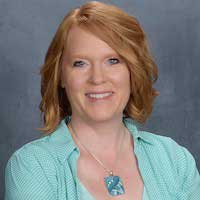
Sara Navratil
WriterSara Navratil is a freelance writer and a Certified Canfield Success Principles Trainer. She’s the owner of Sara Liza Life, a company dedicated to helping people rewrite their lives. She enjoys researching and writing about healthcare-related topics, including information on online NP programs. When not working she likes to read, bake, and spend time with her family.